Engineer-led from day one
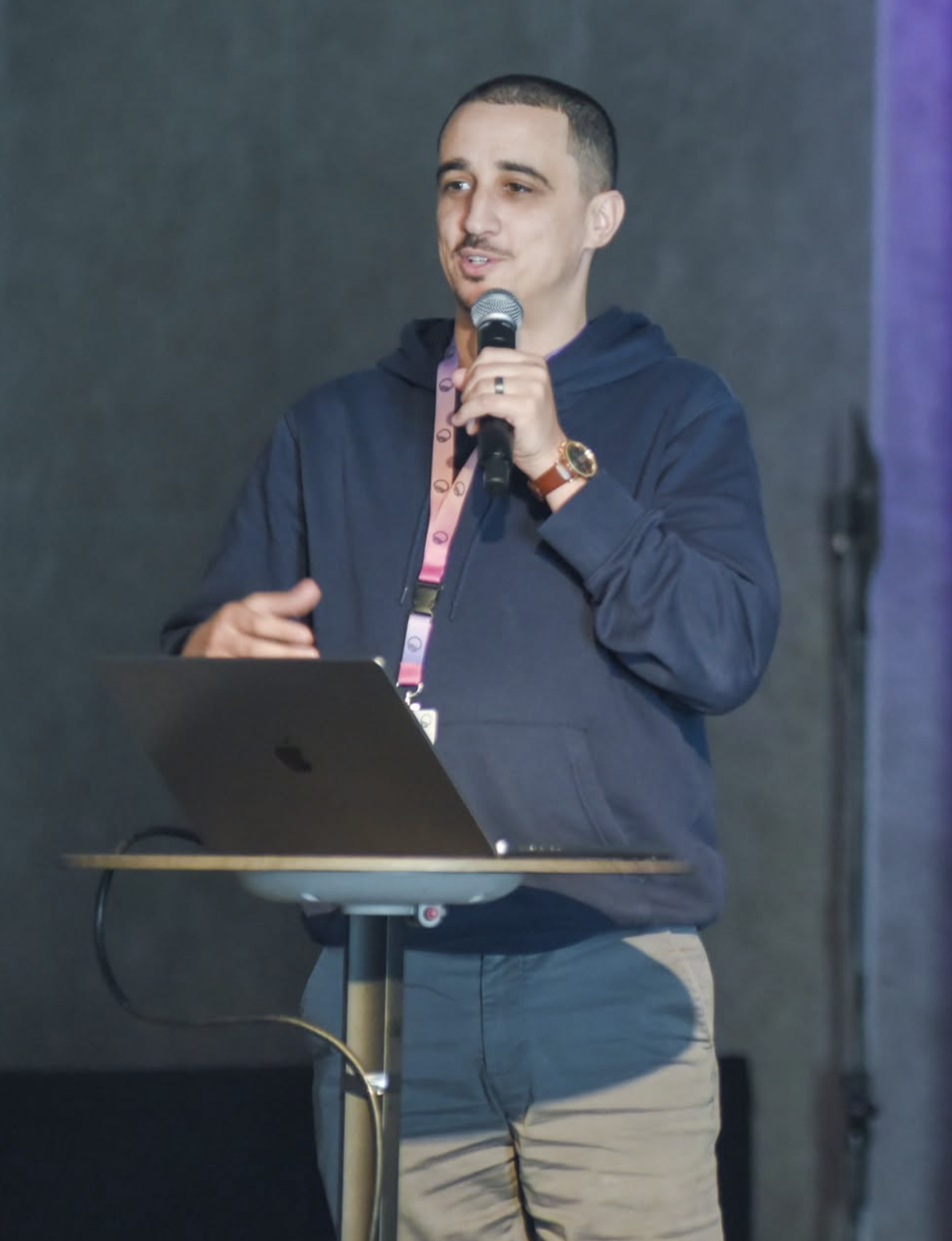
Mohanid Elragel
Founder & Principal Engineer
LeptisCode was founded in 2026 by Mohanid Elragel, a Libyan software engineering consultant based in Ireland. His two decades of delivery include consulting engagements for Mastercard, MetLife, Fidelity, Marsh, Travelport, Accela, and Element across complex enterprise systems and engineering programmes.
LinkedInThe experience behind the firm
Mohanid's career spans Silicon Valley and major multinationals, working on software architecture, engineering delivery, technical leadership, and the systems that support large organisations. Those engagements were delivered by Mohanid before LeptisCode and are the experience behind the standards the consultancy brings to new work.
Why LeptisCode exists
LeptisCode was started to connect Ireland's commercial and engineering ecosystem with Libya's technical potential. The aim is practical: provide senior, accountable software and AI delivery while creating a stronger path for excellent engineering work between both countries.
Company facts
- Registered company: LeptisCode
- Jurisdiction: Ireland
- Founded: 2026
- Delivery locations: Ireland and Libya
Our mission
Build excellent software, develop serious engineering capability, and prove that delivery across Ireland and Libya can meet the standards expected by ambitious organisations anywhere.
The talent is here. The world just hasn't noticed yet.
Libya has a generation of engineers who are technically strong and almost entirely invisible to the global market. That is not a talent problem. It is an access problem.
LeptisCode is here to fix that, bringing international engineering standards to Libyan businesses and putting Libyan engineers in front of the clients and opportunities they deserve.
For European and EMEA businesses, this means senior engineering talent working in your timezone, held to the same standards as top-tier consultancies, with direct communication and deep technical ownership. For Libya, this means investment, training, and opportunity that stays in the country rather than leaving with it.